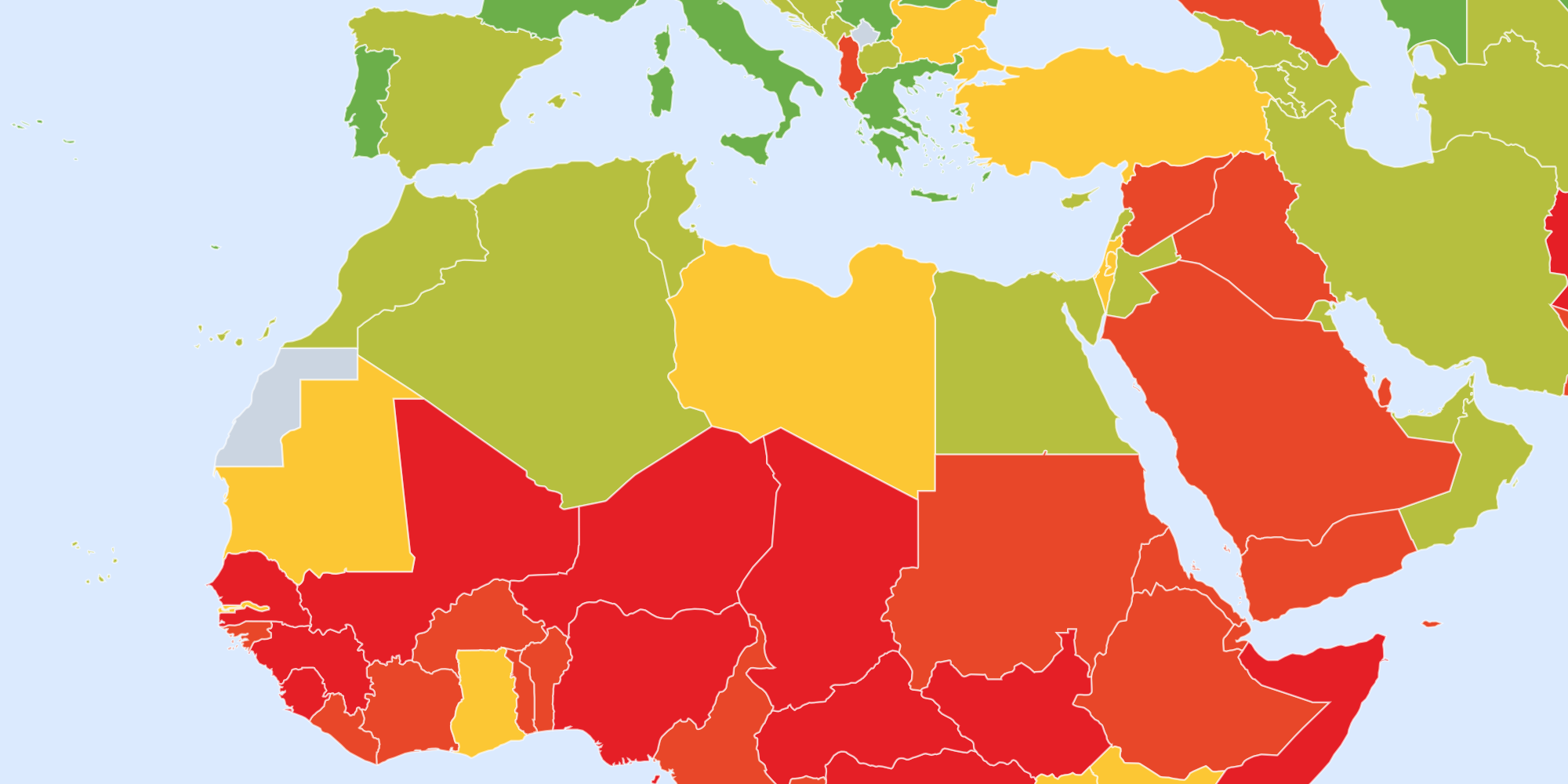
The KidsRights Index is the world’s first and only annual global ranking dedicated to measuring the extent to which children’s rights are respected across 194 countries. Developed by KidsRights in partnership with Erasmus University Rotterdam, the Index evaluates countries across five key domains: life, health, education, protection, and the enabling environment for children’s rights.
KidsRights Index 2026: Children’s rights under pressure amid escalating conflict and obesity epidemic
Children’s rights are facing growing challenges worldwide, according to the now published KidsRights Index 2026, in partnership with Erasmus University Rotterdam.
The annual Index evaluates the state of children’s rights across 194 countries and points to a concerning global decline in the protection and promotion of those rights. The findings are linked to factors including the escalation of armed conflicts, a significant increase in conflict-related sexual violence against children, and the continuing global rise in childhood obesity.
This year’s report indicates that progress in advancing children’s rights has slowed or gone into reverse in many parts of the world. Just 5 countries improved their ranking within the index, while 31 experienced a decline. The report also found that the number of countries placed in the highest-performing category dropped by 30% compared with 2025, underscoring the extent of the worldwide decline in children’s rights.
“Children are increasingly exposed to risks they did not create and cannot control”, said Marc Dullaert, Founder and Chairman of KidsRights. “Whether children are growing up in the shadow of war or in environments that undermine their health, the result is the same: their rights, wellbeing and future opportunities are being put at risk. The world is failing to provide children with the protection they are entitled to.”
Children are increasingly exposed to risks they did not create and cannot control. The world is failing to provide children with the protection they are entitled to.
Marc Dullaert, Founder and Chairman of KidsRights
Children increasingly affected by armed conflict
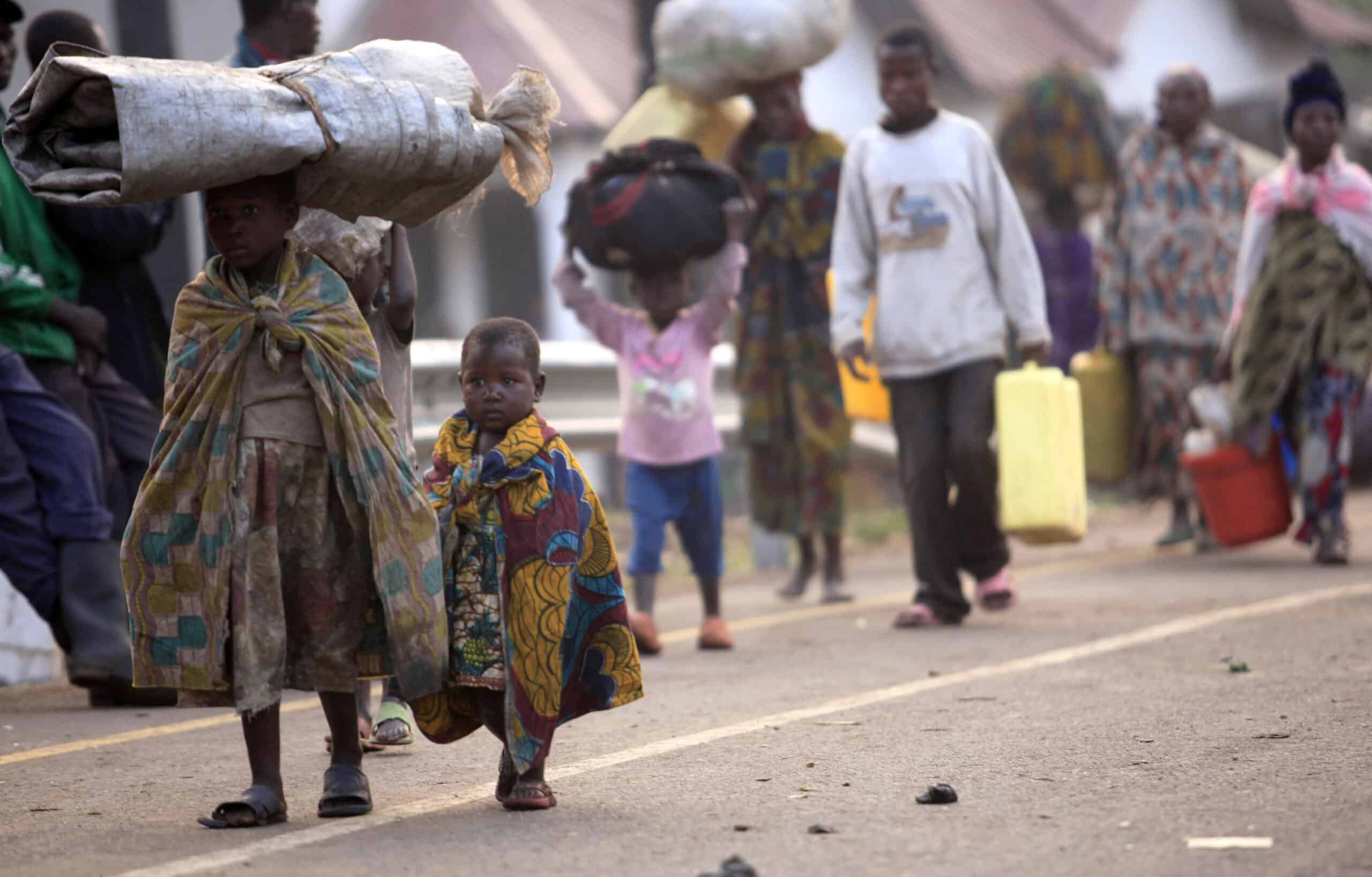
A particularly troubling finding from this year’s research supporting the Index is the growing toll that armed conflict is taking on children. In conflict zones around the world, incidents of conflict-related sexual violence against children have risen by 35% since 2024. Children are also increasingly being intentionally targeted and exploited within warfare itself, including through recruitment and other serious violations of their rights.
Key findings include:
- More than one in five children globally are directly impacted by armed conflict;
- 69% of child casualties in armed conflicts are caused by explosive weapons;
- Armed conflicts contribute to an estimated 70% of global food insecurity, putting the lives of millions of children at risk;
- In Sudan alone, an estimated 825,000 children under the age of five are expected to experience severe acute malnutrition in 2026.
“Conflict is not only destroying children’s lives today – it is undermining their futures,” said Dullaert. “When schools are targeted, healthcare systems collapse and families are displaced, children lose far more than safety. They lose stability, opportunity and hope.”
KidsRights urges governments, international institutions and all parties involved in armed conflict to fulfil their obligations under international law. This means reinforcing protections for children living in conflict-affected regions, holding those responsible for serious violations against children accountable, safeguarding access to education, healthcare and nutrition, and addressing the growing problem of food insecurity driven by conflict.
When schools are targeted, healthcare systems collapse and families are displaced, children lose far more than safety. They lose stability, opportunity and hope.
Marc Dullaert, Founder and Chairman of KidsRights
Childhood obesity reaches epidemic levels worldwide
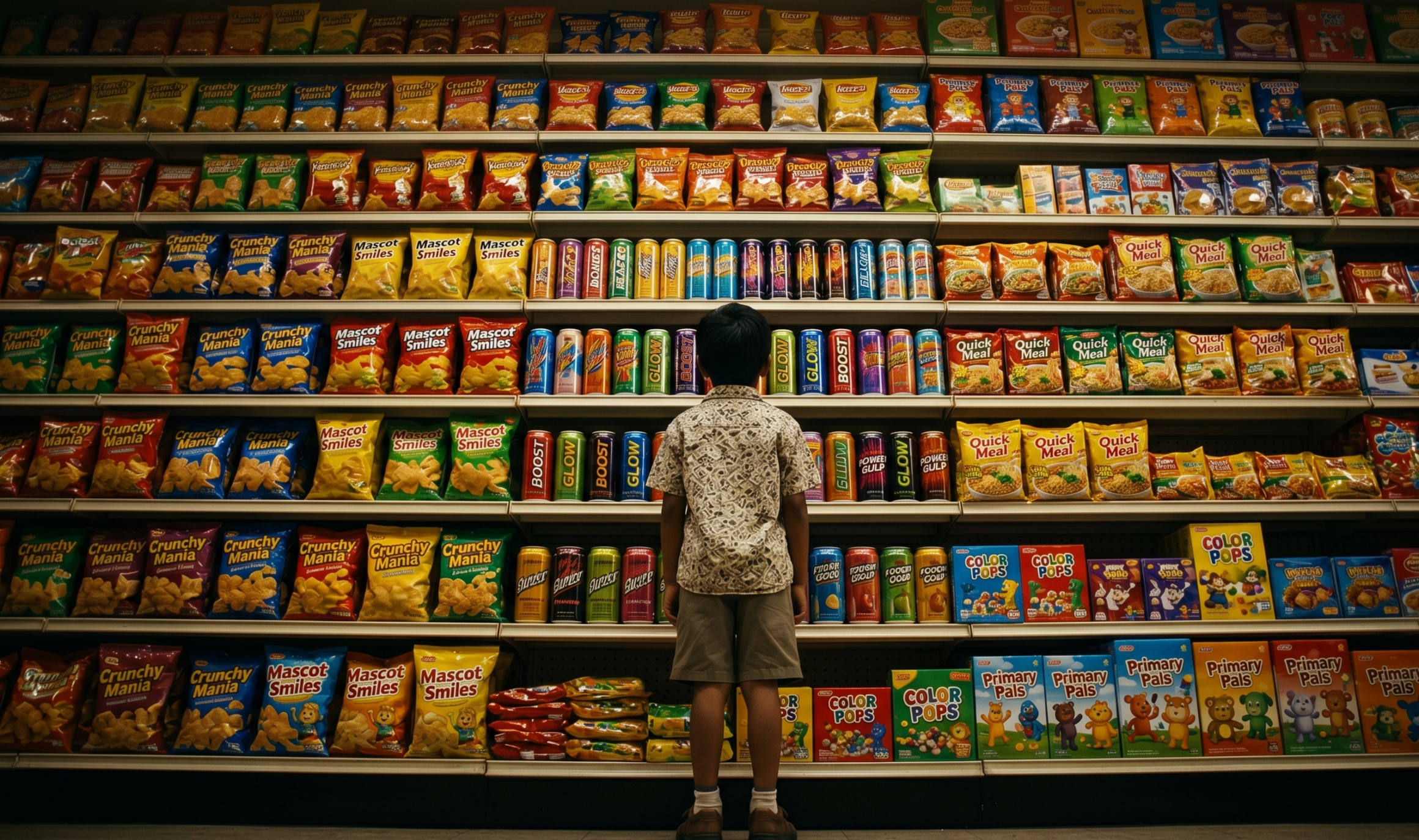
For the first time on record, the number of children and adolescents aged 5 to 19 living with obesity exceeds the number who are underweight worldwide. Childhood obesity has now reached epidemic proportions, affecting young people across every region. While it was once viewed largely as an issue in high-income countries, rates of overweight and obesity are rising rapidly in low and middle-income countries, demonstrating the global nature of the challenge. The highest prevalence is found in Latin America and the Caribbean, and the Middle East and North Africa.
According to the 2026 KidsRights Index report:
- 20% of children aged 5 to 19 are living with overweight;
- One in ten school-age children now lives with obesity;
- The number of overweight school-age children has more than doubled, rising from 194 million in 2000 to 391 million today.
KidsRights warns that many countries are now facing a dual burden of malnutrition, with persistent undernutrition existing alongside rapidly increasing rates of childhood overweight and obesity. In response to this growing trend, the Index now incorporates childhood overweight and obesity as official health indicators.
The report highlights that childhood obesity is influenced not only by individual behaviour but also by wider environmental factors, including the marketing of unhealthy foods, the availability of ultra-processed products, limited opportunities for physical activity, and unequal access to affordable, nutritious food.
“When one in ten children is living with obesity, this is no longer simply about personal choices,” said Dullaert. “It reflects environments that are failing children. Governments have a responsibility to protect children’s health by addressing the systems that drive unhealthy outcomes.”
KidsRights is imploring governments to adopt a child rights-based approach to tackling obesity, by introducing stronger regulation of unhealthy food marketing aimed at children, removing barriers to affordable and nutritious food, investing in healthier environments, and expanding opportunities for children to be physically active.
UK Supplement 2026
Childhood obesity in the UK
The UK provides a stark example of the challenges highlighted by the Index, ranking 132nd globally, and last among all 32 countries in Western Europe for children’s rights. Persistent inequalities continue to shape children’s health, wellbeing and opportunities, with childhood obesity emerging as one of the key areas of concern.
Almost 1 in 3 school-aged children in the UK are overweight or living with obesity
- More than 3.7 million children aged 5–19 in the UK are living with overweight or obesity. This represents around 30% of children in this age group, which is double the proportion seen in comparable countries such as France and Italy.
- Socio-economic disadvantage continues to play a major role in childhood obesity, with children living in the most deprived communities facing a significantly greater risk.
Wider health and well-being challenges
Childhood obesity is not the only area of concern for children in the UK. Across four of the five KidsRights Index domains, the UK ranks within the bottom quarter of Western European countries, pointing to broader shortcomings in protecting and promoting children’s rights.
Key health indicators highlight the scale of these challenges:
- The under-five mortality rate has risen by 9%, standing 35% above the Western European average.
- The UK has an adolescent birth rate of 8.3 births per 1,000 girls aged 15–19, the fifth highest rate in Western Europe.
These findings highlight the need to place children’s rights at the centre of policymaking, with stronger action to address systemic inequalities, strengthen accountability and invest in the services and environments that enable every child to thrive.
About the KidsRights Index