
Meet the winners
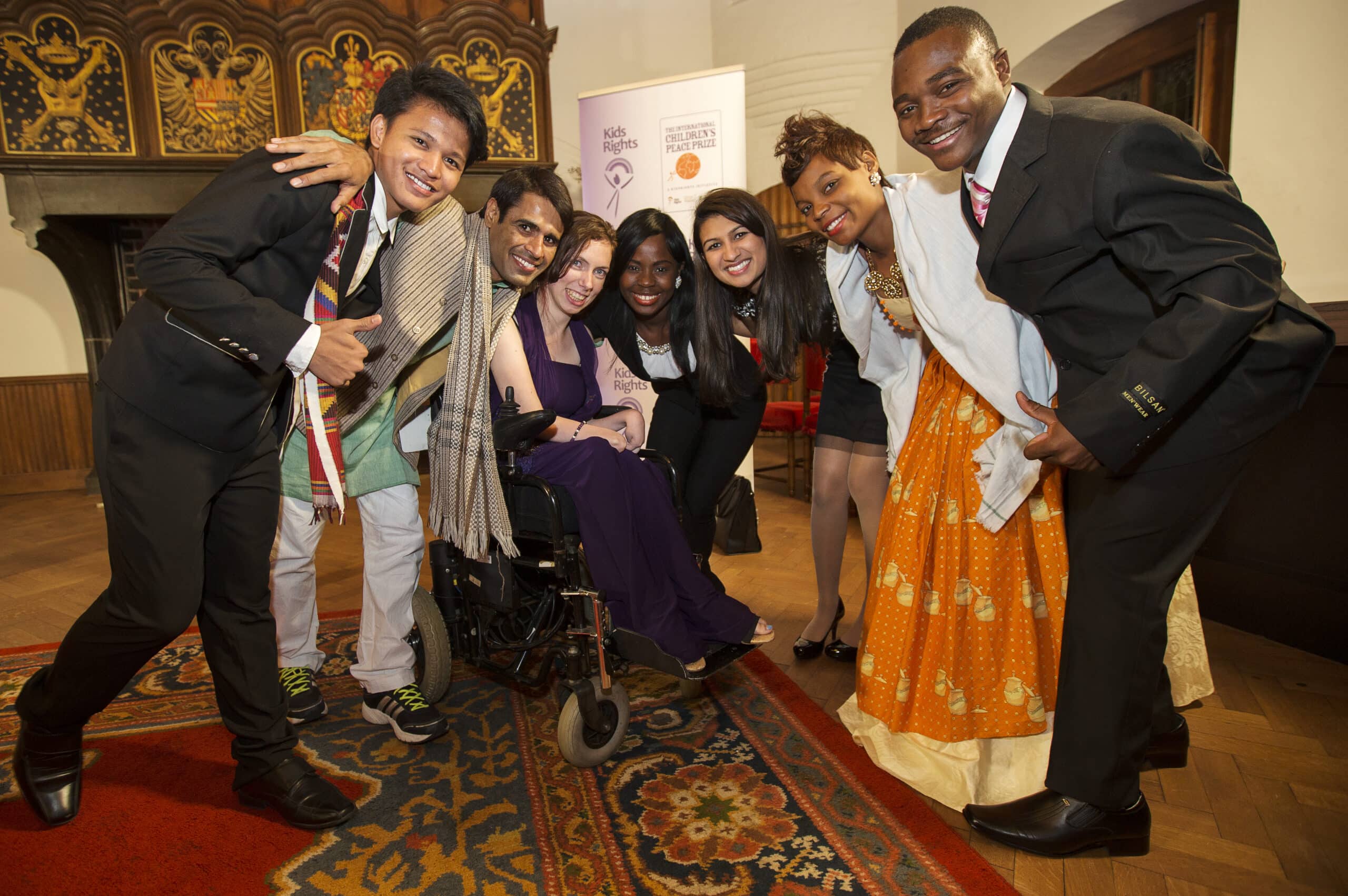
For more than two decades, the International Children’s Peace Prize has recognised young people who have spoken out for children’s rights and taken action to create positive change. Meet the young changemakers whose work is making a difference in communities around the world.
"DO YOUR LITTLE BIT OF GOOD WHERE YOU ARE. IT'S THOSE LITTLE BITS OF GOOD PUT TOGETHER THAT OVERWHELM THE WORLD."
NOBEL PEACE LAUREATE DESMOND TUTU, PATRON OF KIDSRIGHTS 2008 - 2021
Meet the winners
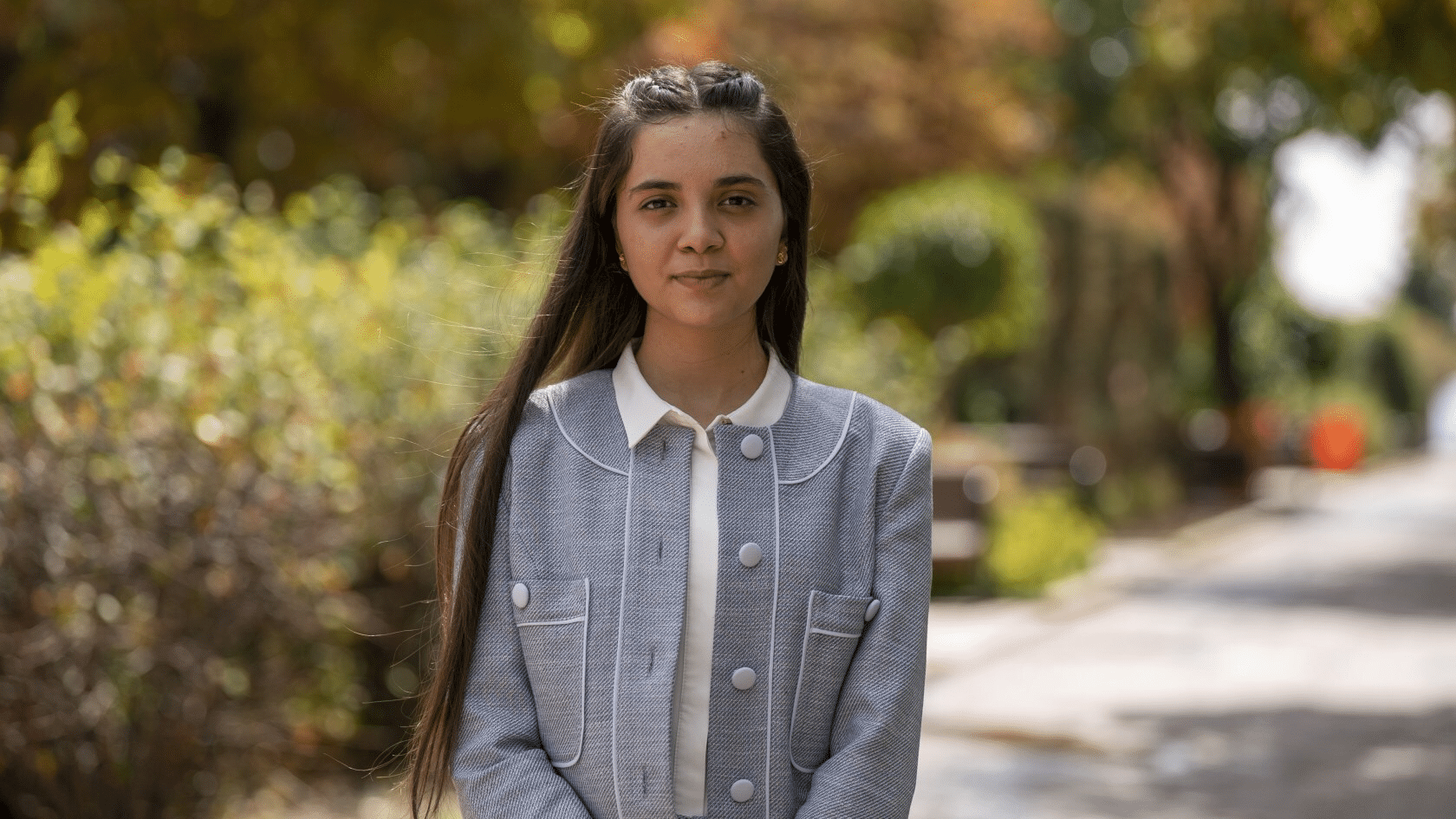
2025, Bana Alabed (15), Syria
Bana Alabed is a children’s rights advocate who, after experiencing the siege of Aleppo as a child, used social media to draw global attention to the realities faced by children in conflict. Now based in Türkiye, she continues to raise awareness of the experiences of children affected by war through advocacy, public speaking and educational initiatives.
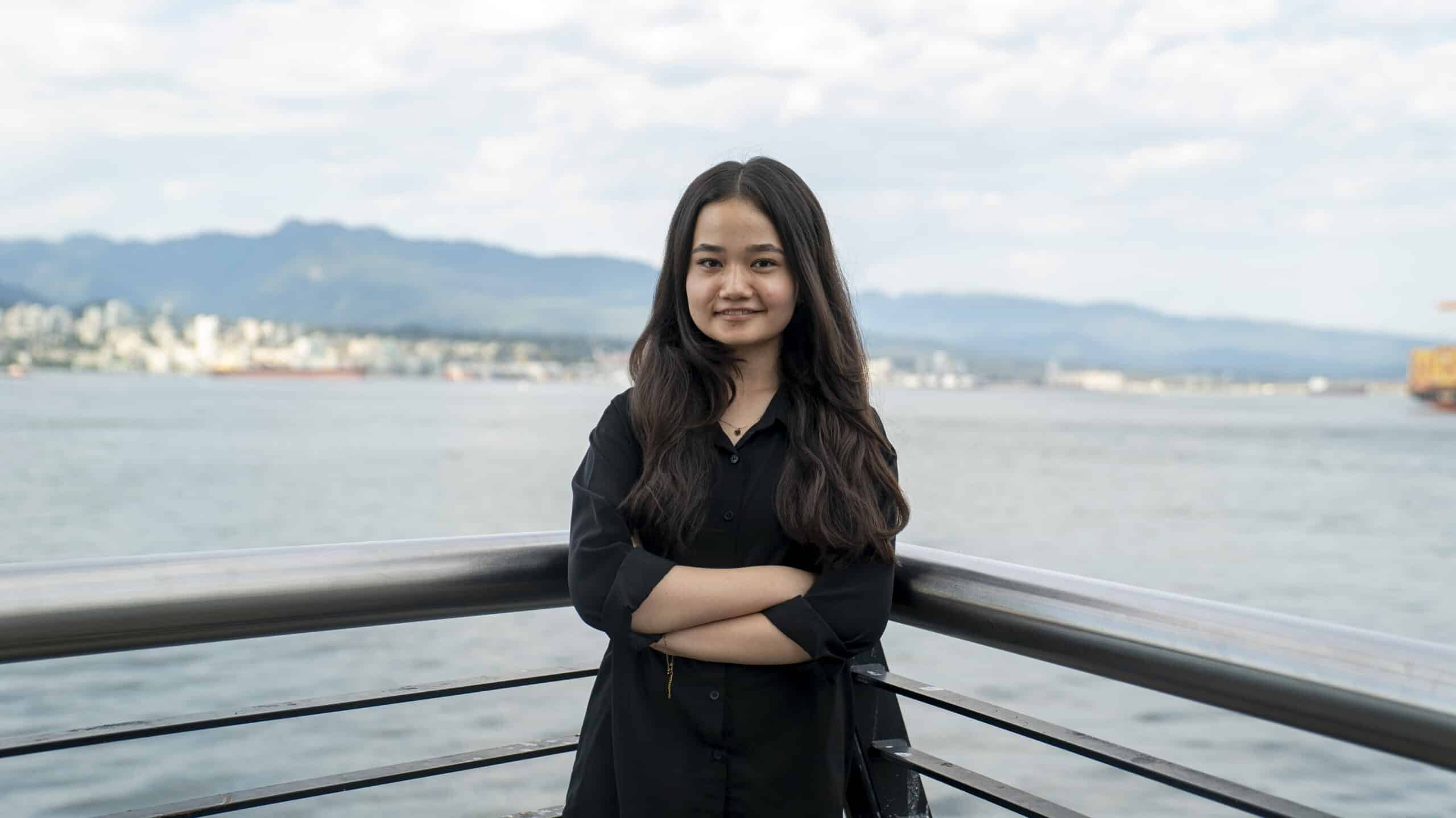
2024, Nila Ibrahimi (17), Afghanistan
Nila Ibrahimi first gained international attention as a teenager when her protest song against restrictions on girls singing in public went viral, prompting the Afghan government to reverse the decision. After fleeing Afghanistan following the Taliban’s return to power, she has continued speaking out for girls’ access to education, helping more than 4,000 Afghan girls access alternative educational opportunities.
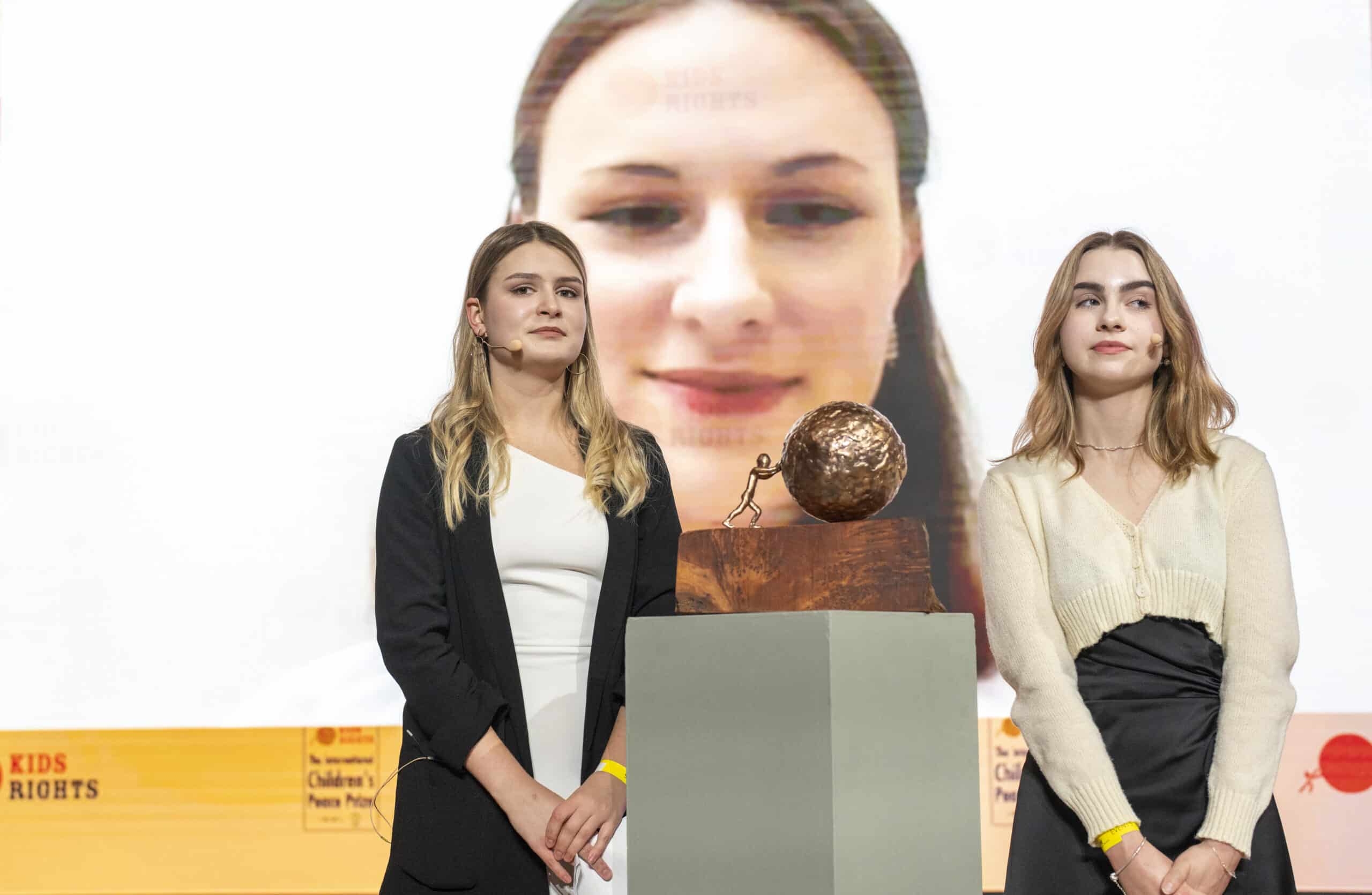
2023, Sofiia, Anastasiia and Anastasiia, Ukraine
Sofiia Tereshchenko, Anastasiia Feskova and Anastasiia Demchenko are three Ukrainian girls who, after becoming refugees themselves, developed mobile apps to support children fleeing conflict. Their apps, Refee and Svity, provide young refugees with essential information, communication tools and a safe way to connect with others in their new communities.
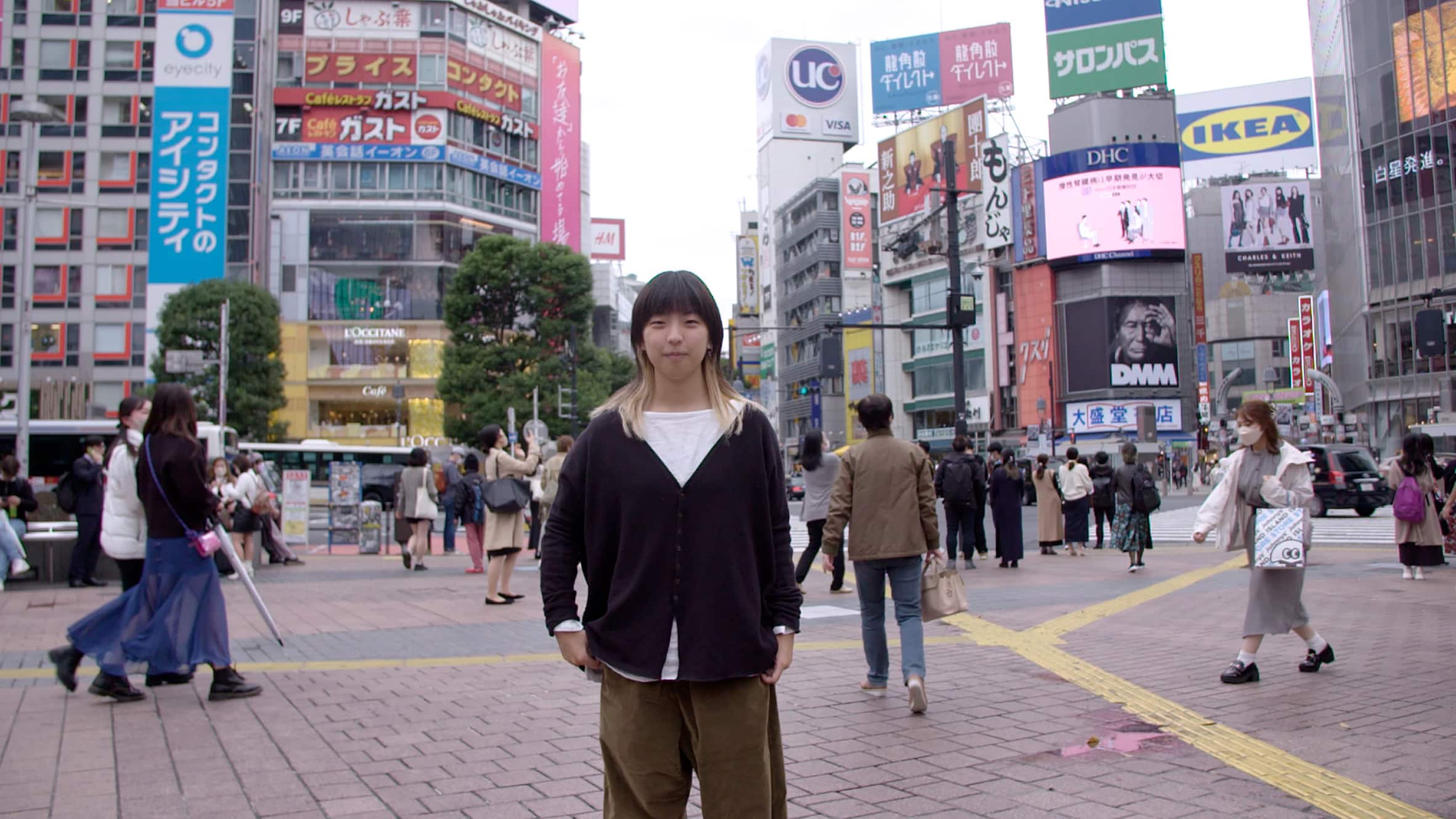
2022, Rena Kawasaki (17), Japan
Rena was eight when she first became aware of the inequalities affecting children around the world, inspiring her to get involved in volunteer work. At 14, she co-founded Earth Guardians Japan to address issues facing young people in Japan, connecting students with political leaders and creating opportunities for youth to influence decision-making. Her work has since led to collaborations with the Japanese Ministry of Environment and her appointment as Japan’s youngest Chief Future Officer.
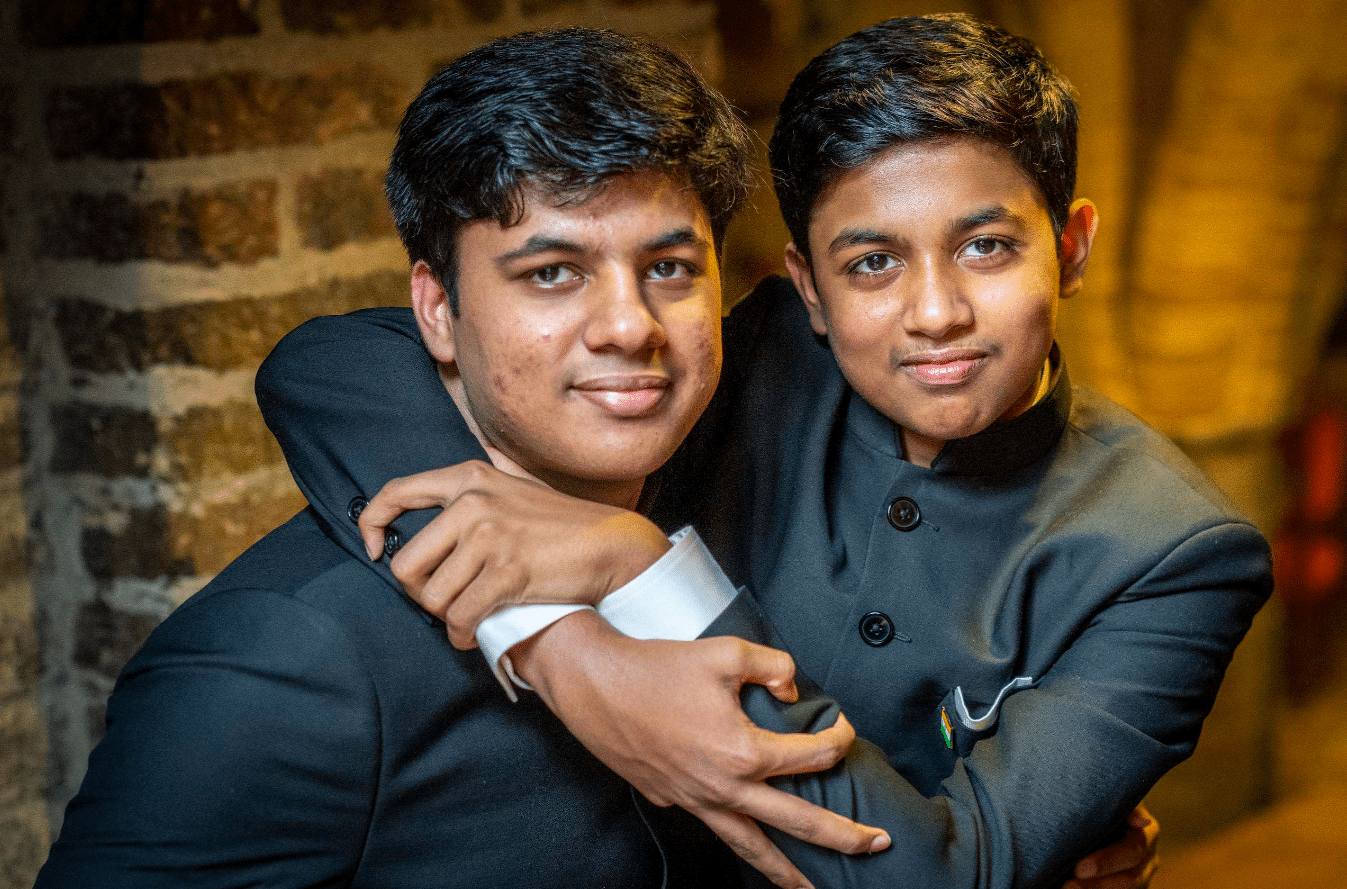
2021, Vihaan (17) and Nav Agarwal (14), India
Vihaan and Nav founded One Step Greener in India at just 14 and 11 after seeing the devastating impact of waste and pollution in Delhi. What began with waste collection from 15 homes has grown into a wider initiative collecting and recycling waste from more than 1,000 households, schools and offices, while also planting trees and educating over 45,000 young people about environmental issues.
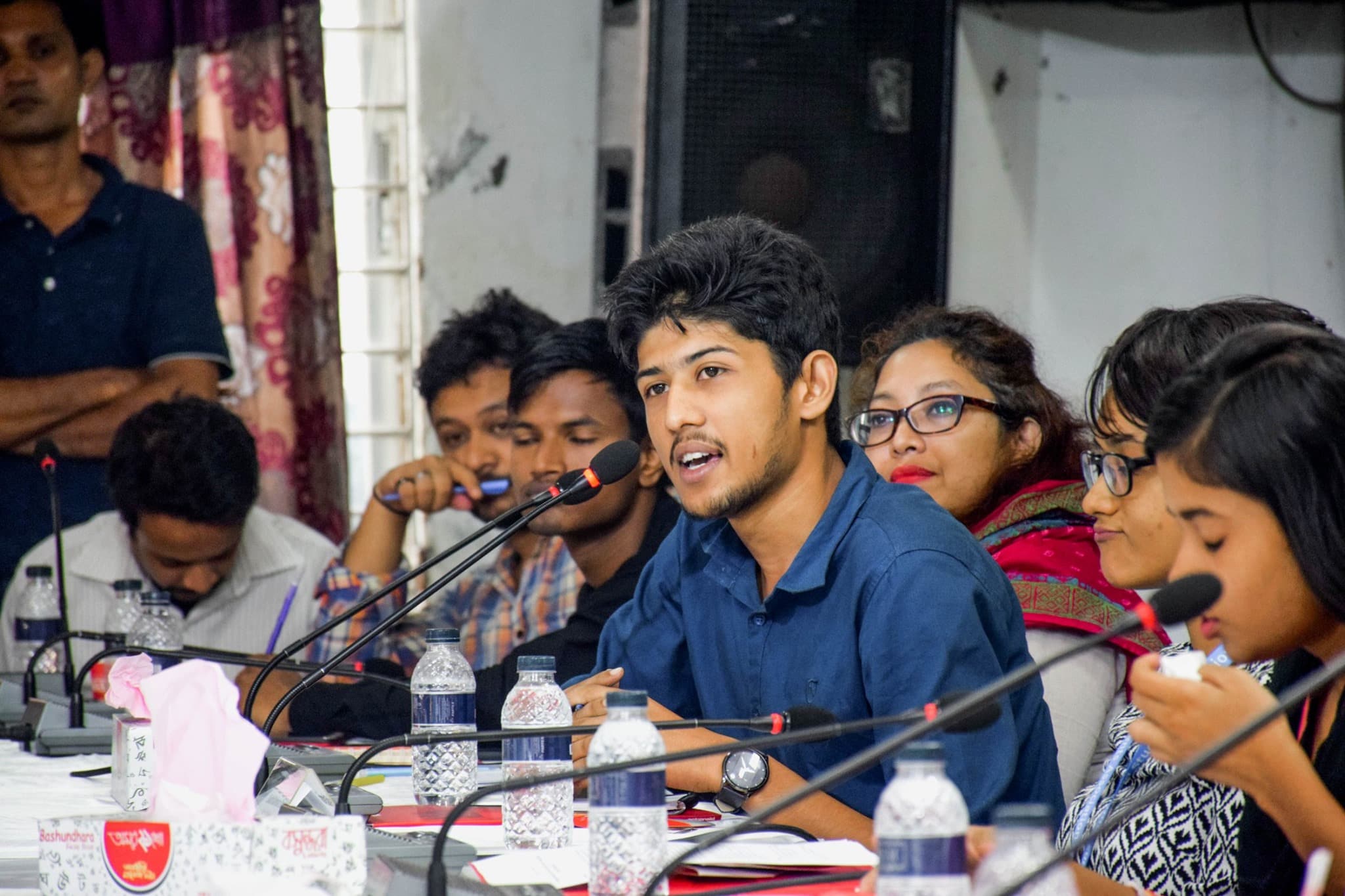
2020, Sadat Rahman (17), Bangladesh
Sadat is a Bangladeshi teenager who used his skills in technology to create Cyber Teens, an app providing young people with a safe and confidential way to report cyberbullying and access support. Through his organisation, Narail Volunteers, he has also reached more than 45,000 teenagers through internet safety programmes and established Cyber Clubs in schools across his local area.
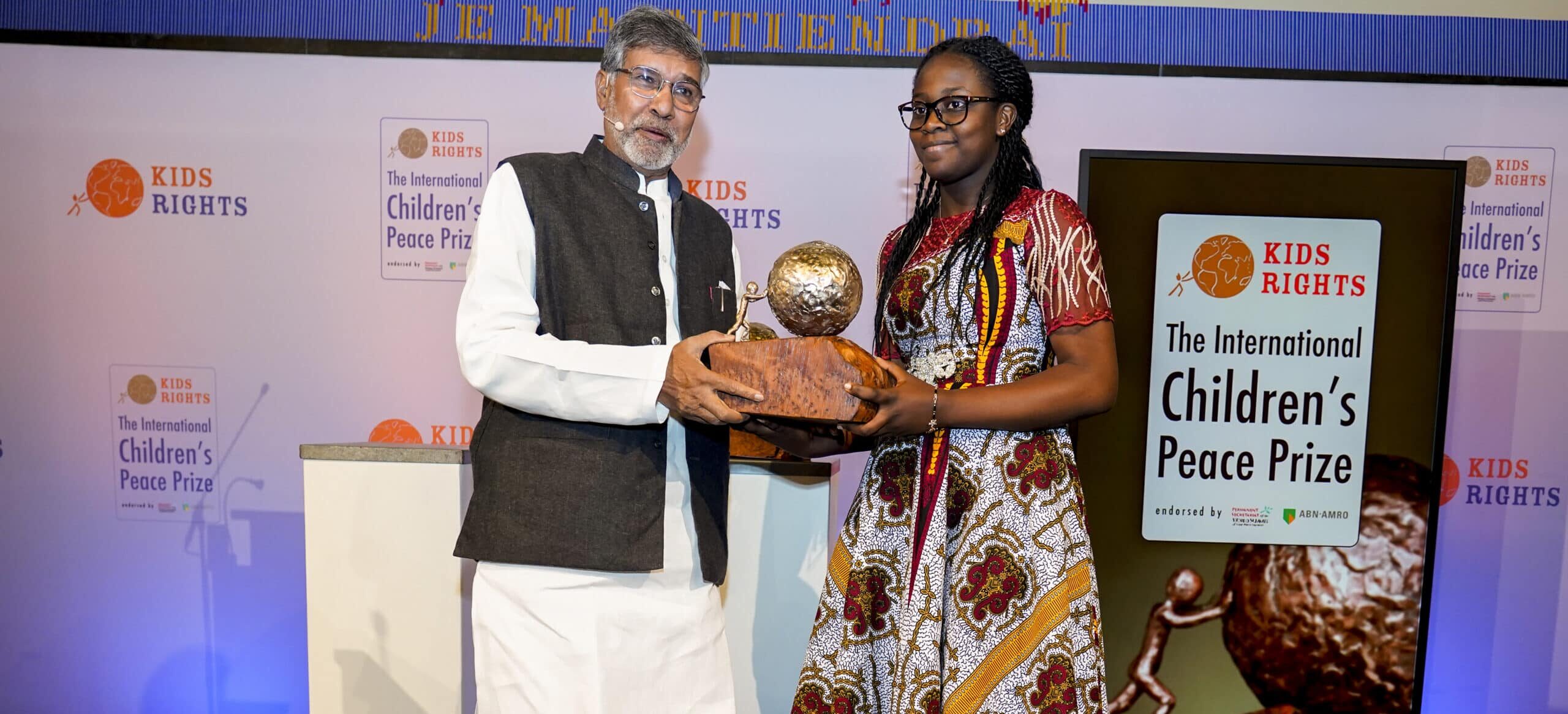
2019, Divina Maloum (15), Cameroon
Divina Maloum founded Children for Peace in Cameroon after witnessing the impact of violent extremism on children, including displacement, abuse and recruitment by armed groups. Through her youth-led movement, she promotes peacebuilding and teaches thousands of children each year about rejecting violence, using peer education and cartoons to make her message accessible across different communities.

2019, Greta Thunberg (16), Sweden
Greta Thunberg is a climate activist who, at 15, began a school strike outside Sweden’s parliament to call for stronger action on climate change. Her protest grew into a global movement, inspiring millions of young people to speak out and demand greater action on climate justice.
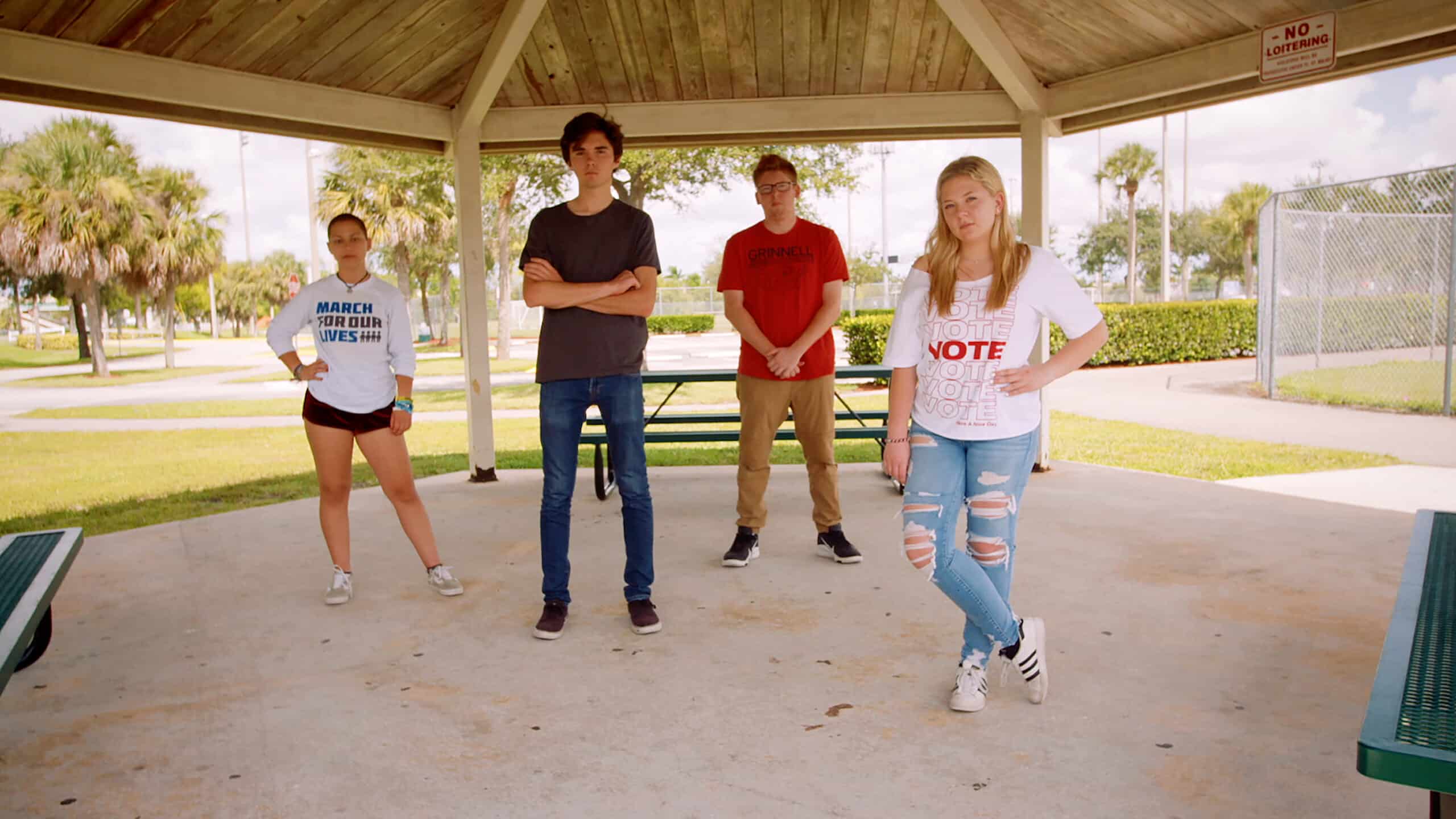
2018, March For Our Lives-initiators, USA
David Hogg, Emma Gonzalez, Jaclyn Corin and Matt Deitsch co-founded March For Our Lives after surviving the 2018 school shooting at Marjory Stoneman Douglas High School in Parkland, Florida. They mobilised hundreds of thousands of people through nationwide marches and voter-registration campaigns, helping bring youth voices into the debate around gun violence and safer schools.
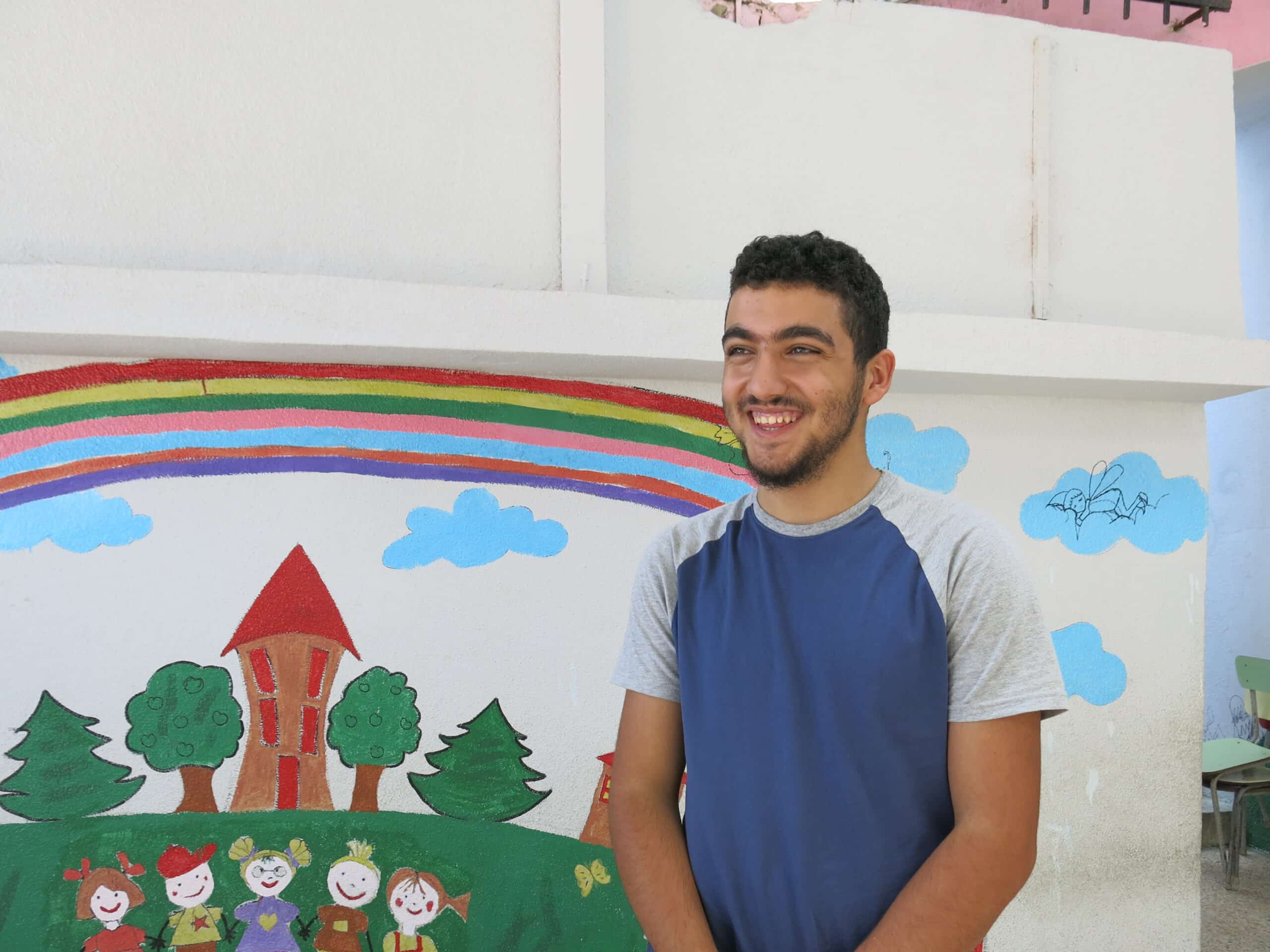
2017, Mohamad Al Jounde (16), Syria
Mohamad fled Syria for Lebanon as a child and, after being unable to attend school himself, worked with his family to build a school for Syrian refugee children. The school now provides education to around 200 children, while Mohamad also uses photography, filmmaking and play to help refugee children express themselves and process their experiences.
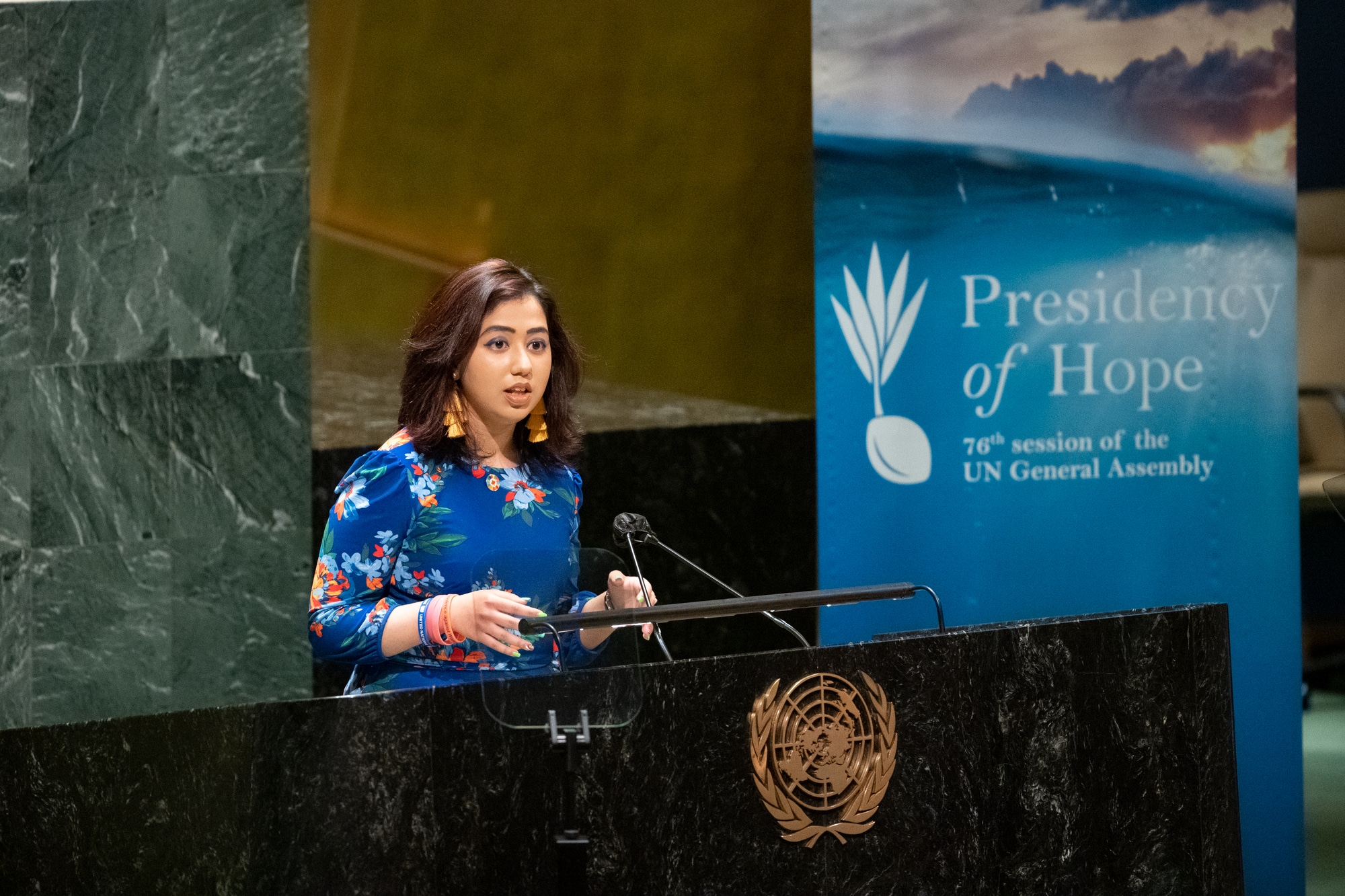
2016, Kehkashan Basu (16), UAE
Kehkashan Basu began taking action on environmental issues as a child, organising young people to recycle waste and plant trees. At 12, she founded Green Hope, which has since engaged more than 1,000 young people in environmental projects, planted over 5,000 trees worldwide and reached thousands of students through sustainability programmes.
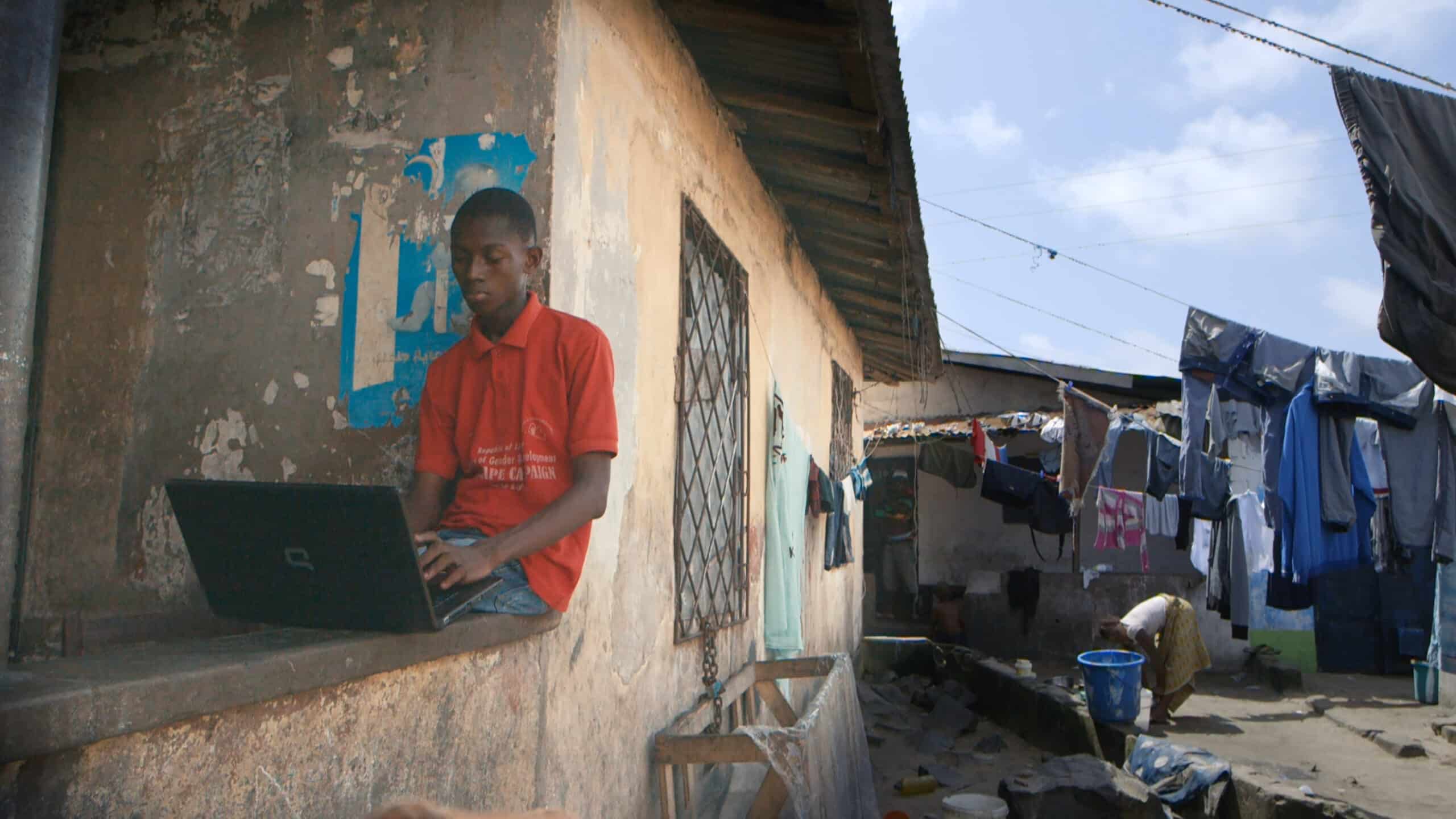
2015, Abraham M. Keita (17), Liberia
Abraham M. Keita began speaking out for children’s rights at nine, after the rape and murder of a girl in his community, and later joined Liberia’s Children’s Parliament. Through peaceful protests and advocacy, he helped push the Liberian government to adopt the Children’s Act in 2012 and continued campaigning for children’s education and protection.
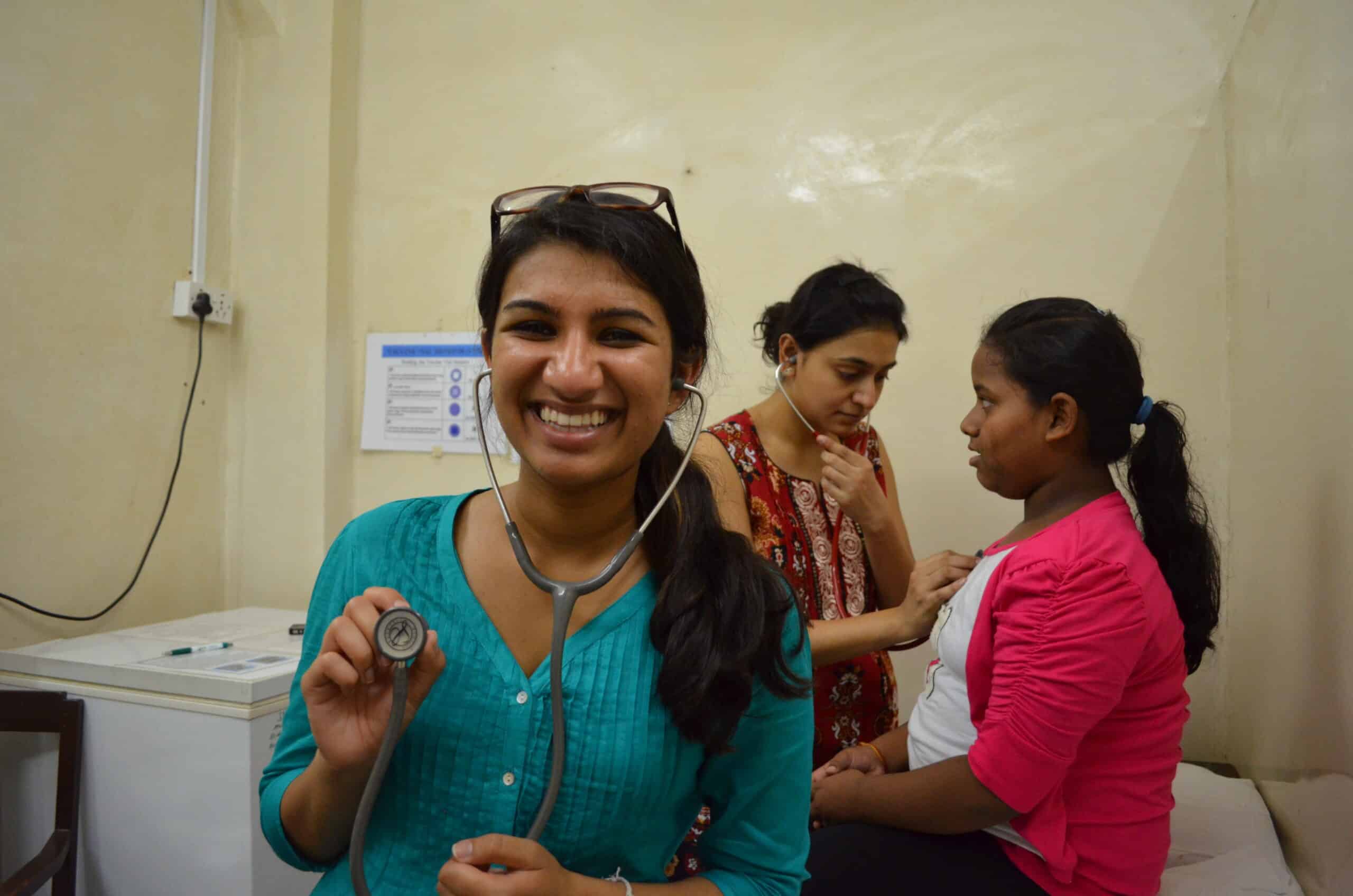
2014, Neha Gupta (17), USA
Neha Gupta was inspired to act after visiting an orphanage in India as a child and seeing the lack of education, healthcare and basic support available to the children there. At nine, she founded Empower Orphans, which has since supported children in India and the US through education, healthcare and community programmes, while encouraging young people to get involved in social action.
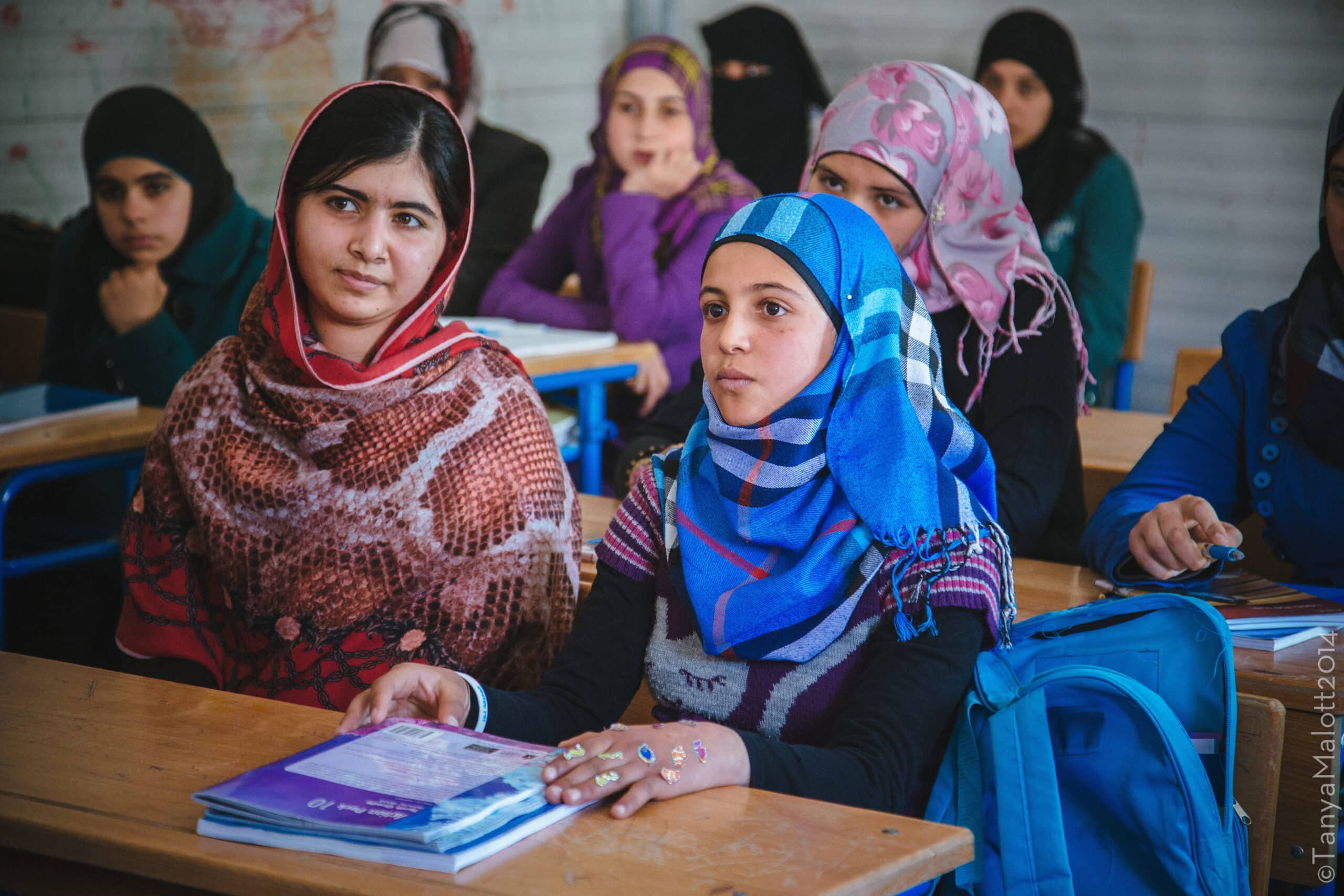
2013, Malala Yousafzai (16), Pakistan
Malala Yousafzai is an education activist who began speaking out against the Taliban’s ban on girls’ education while still a schoolgirl. After surviving an assassination attempt in 2012, she continued advocating globally for every girl’s right to education.
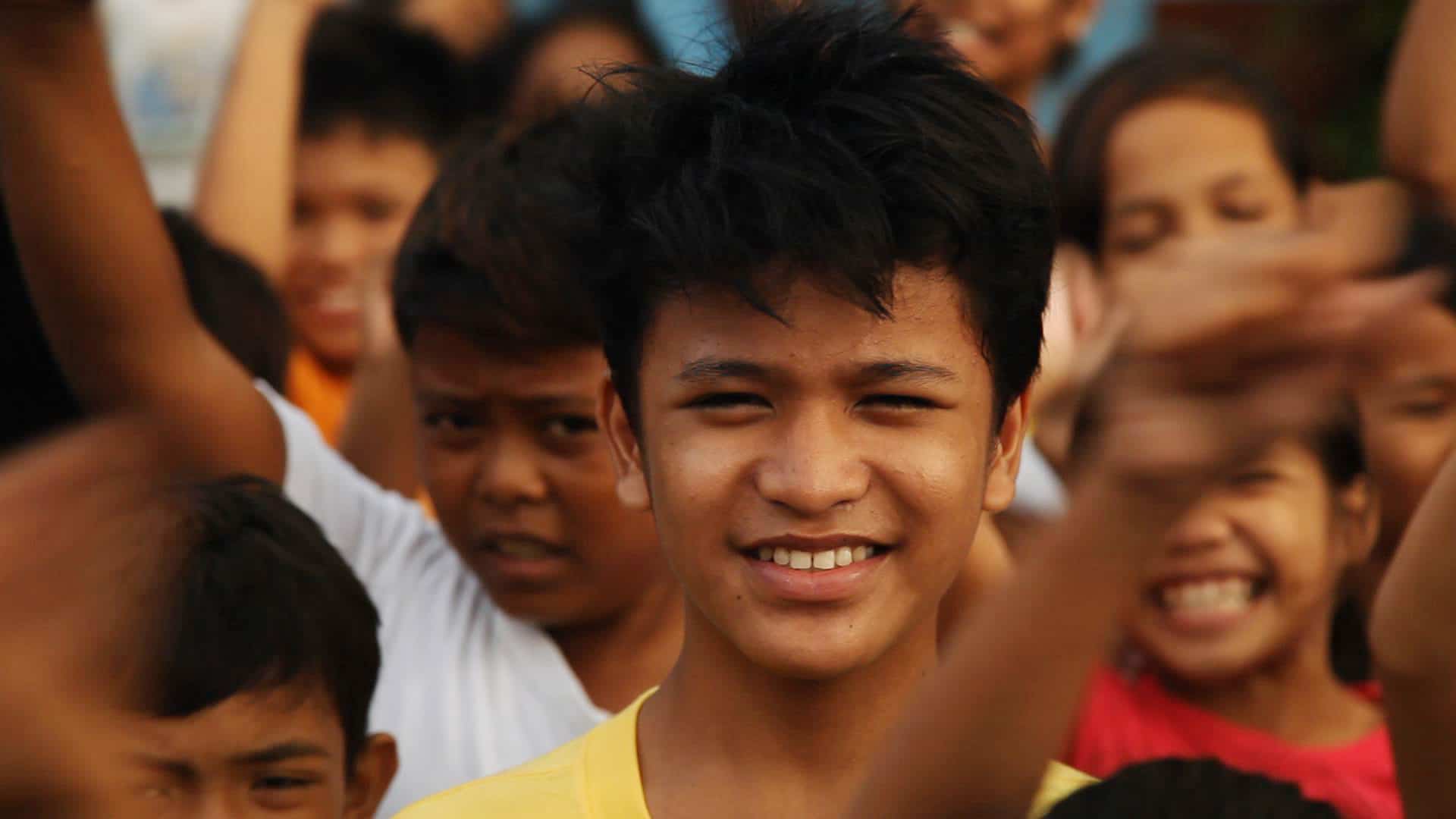
2012, Kesz Valdez (13), Philippines
Kesz experienced homelessness and extreme poverty as a child in the Philippines before finding safety and access to education after a serious accident at a dumpsite. At seven, he began organising “Gifts of Hope” for street children, later founding Championing Community Children to provide vulnerable children with essential supplies and education on their rights, health and hygiene.
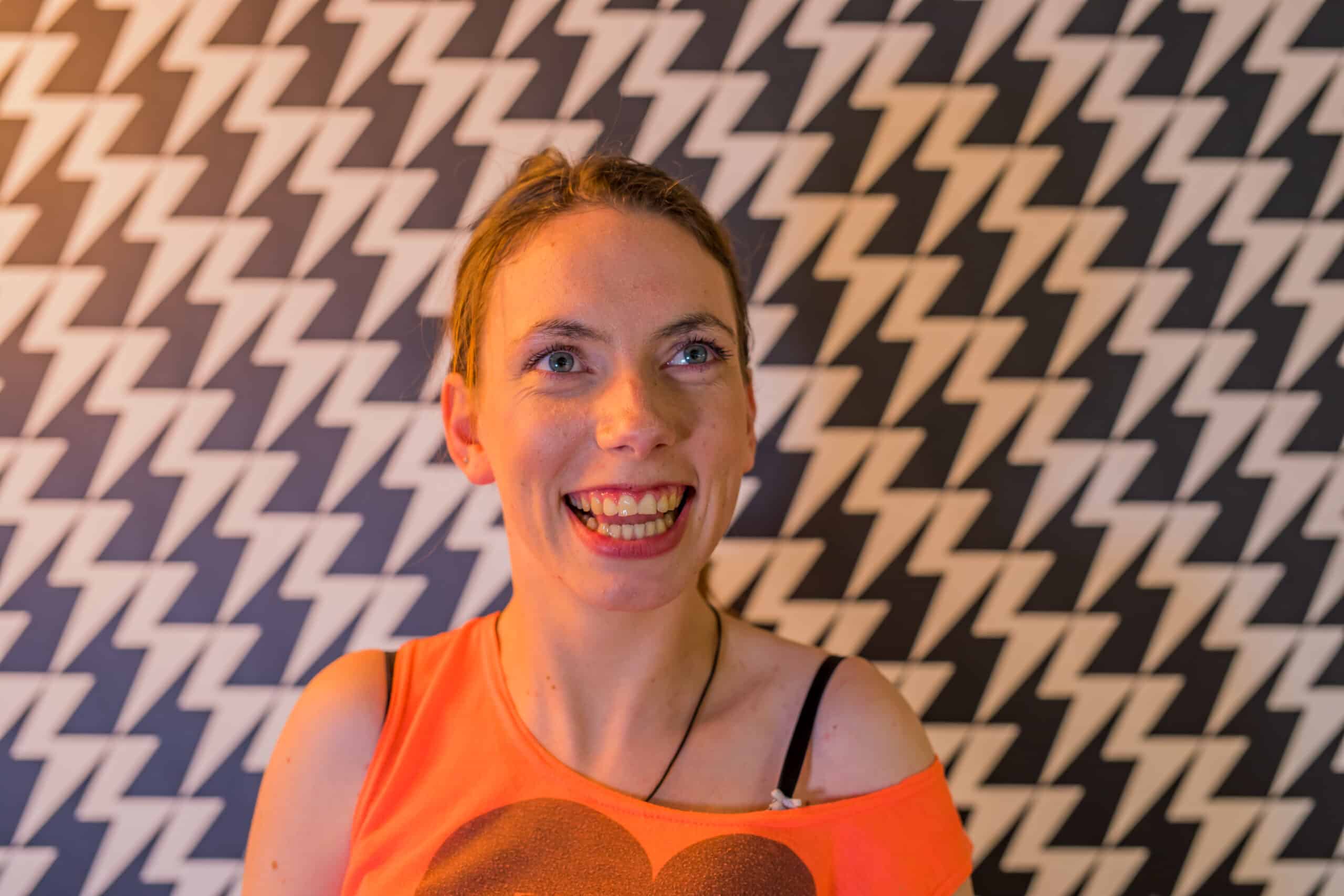
2011, Chaeli Mycroft (17), South Africa
Chaeli Mycroft, who has cerebral palsy, began advocating for the inclusion and equal opportunities of children with disabilities at nine. After raising enough money for her own motorised wheelchair, she and her friends founded The Chaeli Campaign, which now supports and empowers children with disabilities and their families.
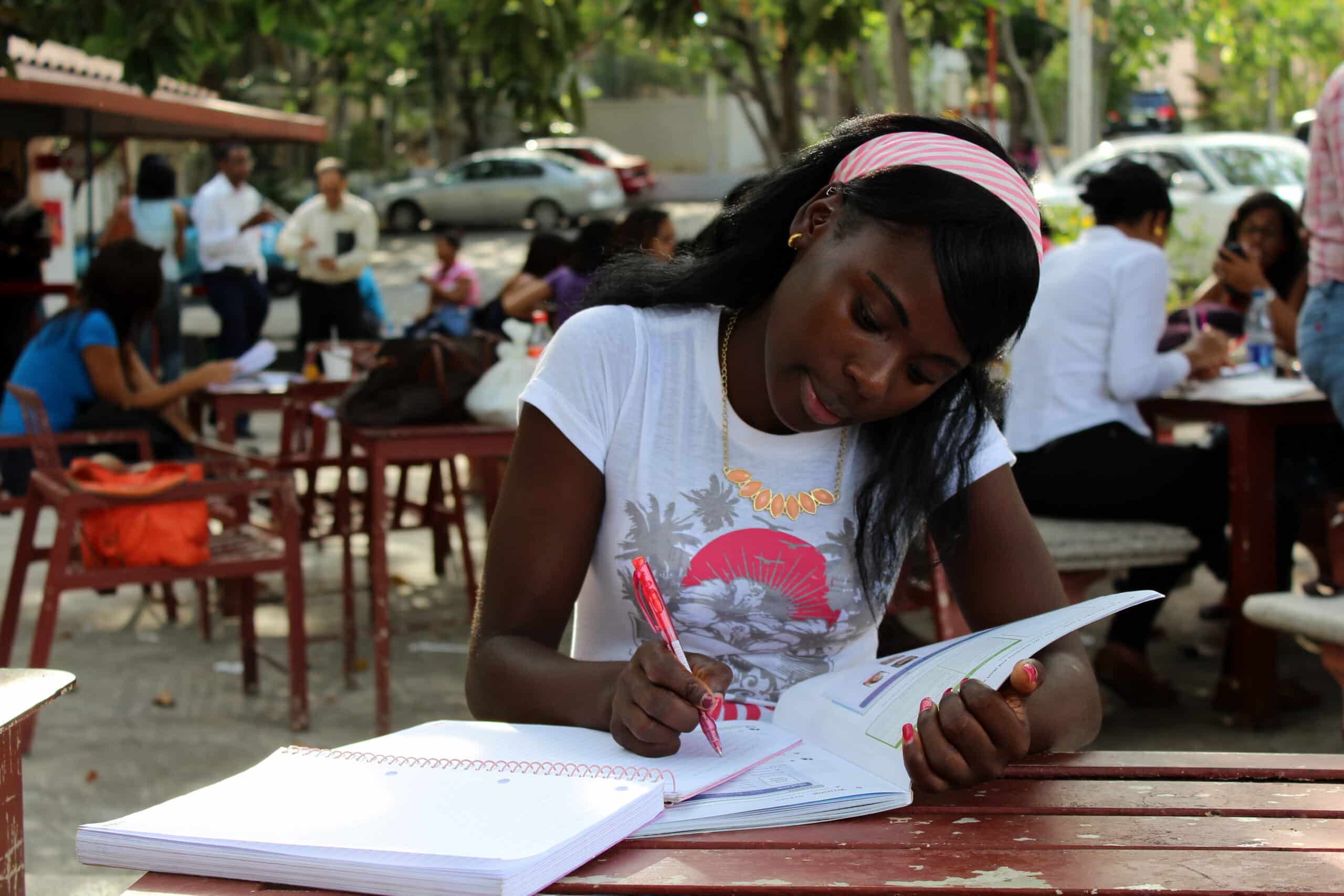
2010, Francia Simon (16), Dominican Republic
Francia grew up in a Haitian refugee community in the Dominican Republic and experienced firsthand how lacking a birth certificate can prevent children from accessing education and healthcare. After securing her own legal identity, she began helping other children obtain birth certificates by guiding families through the registration process and advocating for their right to a name and nationality. She has also supported Haitian children displaced by the 2010 earthquake, providing shelter and activities to help them recover from trauma.
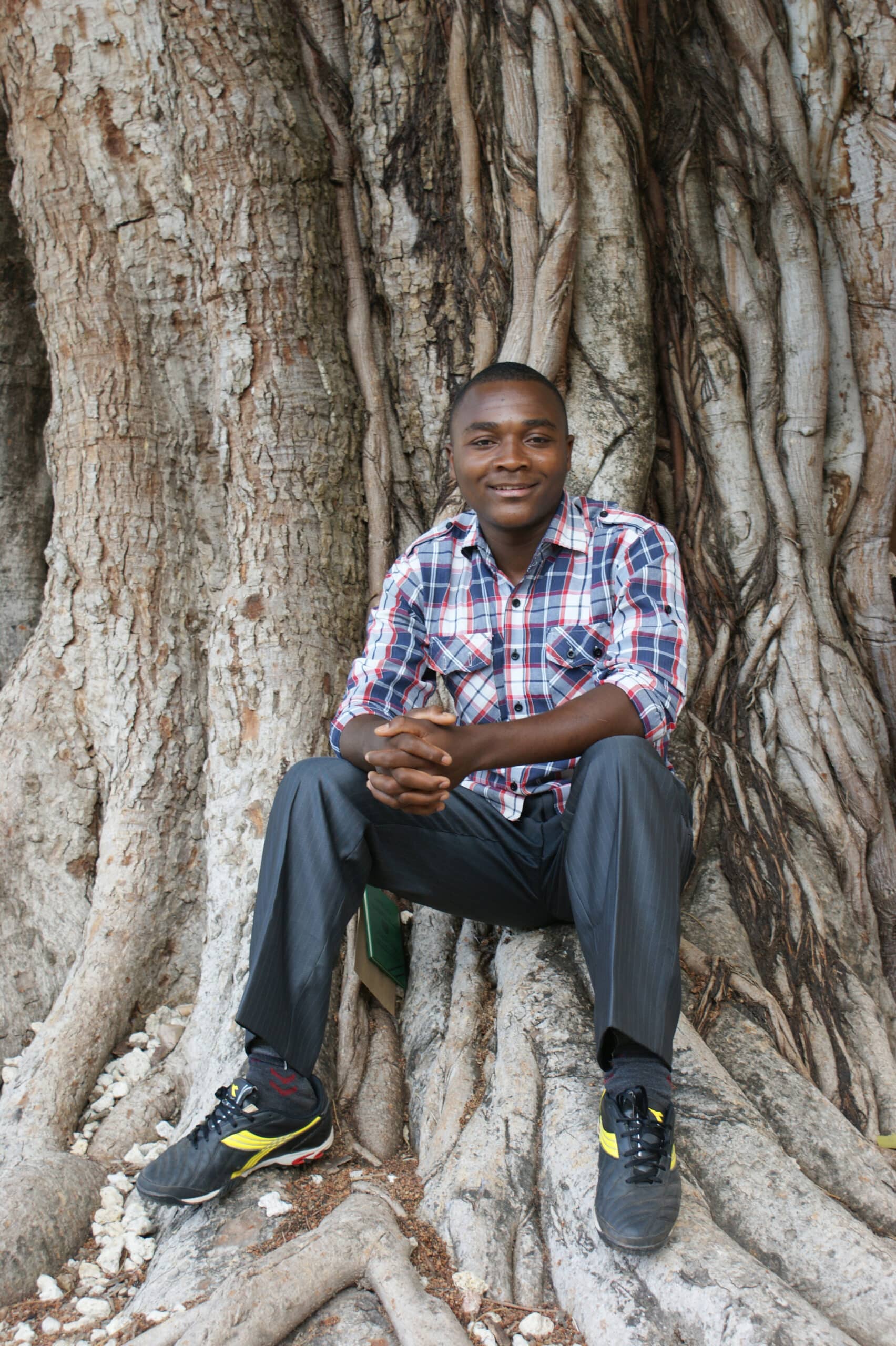
2009, Baruani Ndume (16), Tanzania
Baruani fled the Democratic Republic of Congo as a child and grew up in a refugee camp in Tanzania after losing his mother and younger brother during the journey. After learning about children’s rights, he joined the camp’s children’s parliament and launched the Sisi Kwa Sisi radio programme, giving children a platform to share their experiences and learn about their rights, while helping reunite separated families.
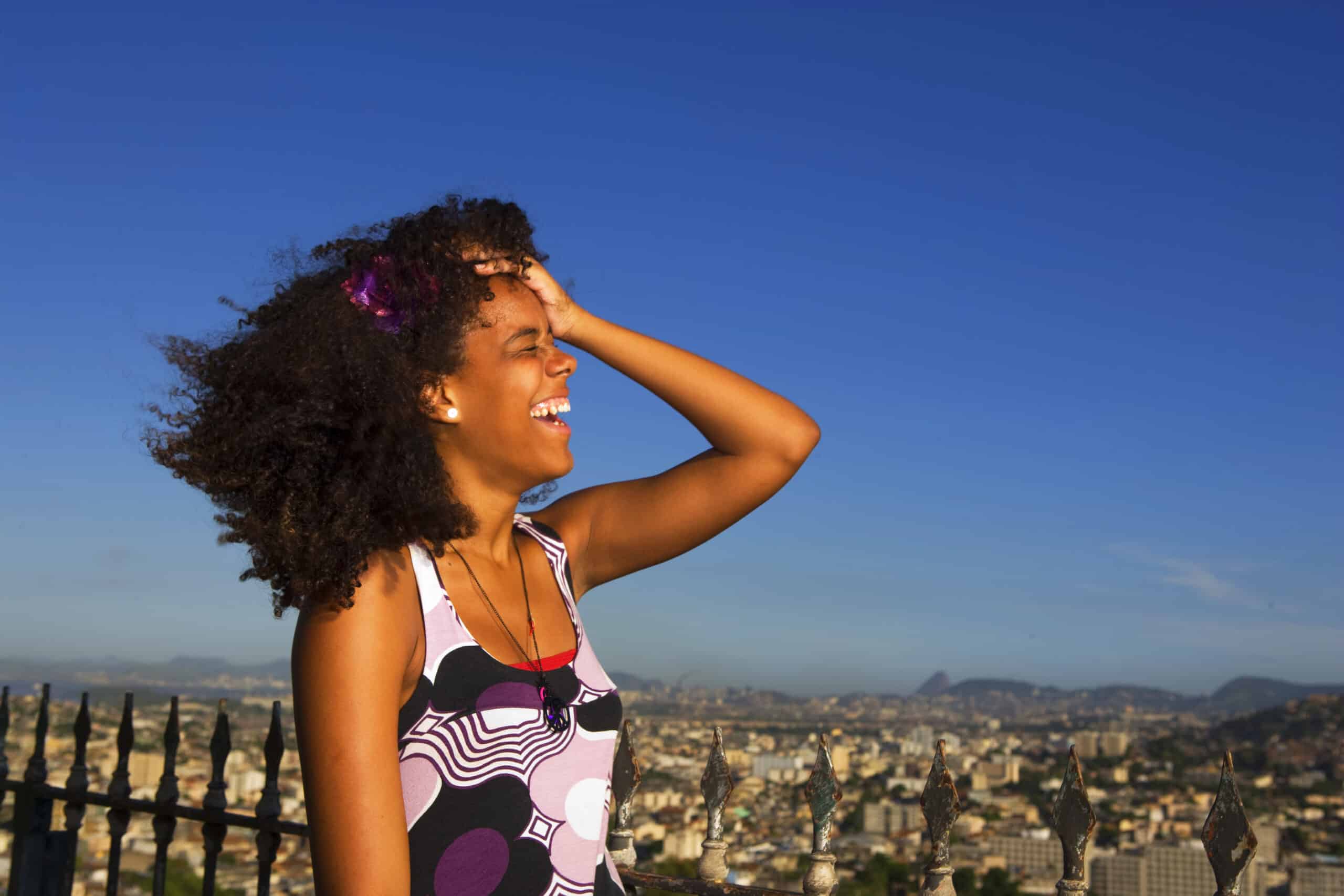
2008, Mayra Avellar Neves (17), Brazil
Mayra grew up in a violent favela in Rio de Janeiro, where armed conflict between drug gangs and police repeatedly prevented children from attending school. After successfully fighting for her own right to education, she mobilised hundreds of young people through peace marches calling for safer schools and greater opportunities for children in the favela. She later used theatre and documentary filmmaking to challenge stereotypes and highlight the positive role of young people in her community.
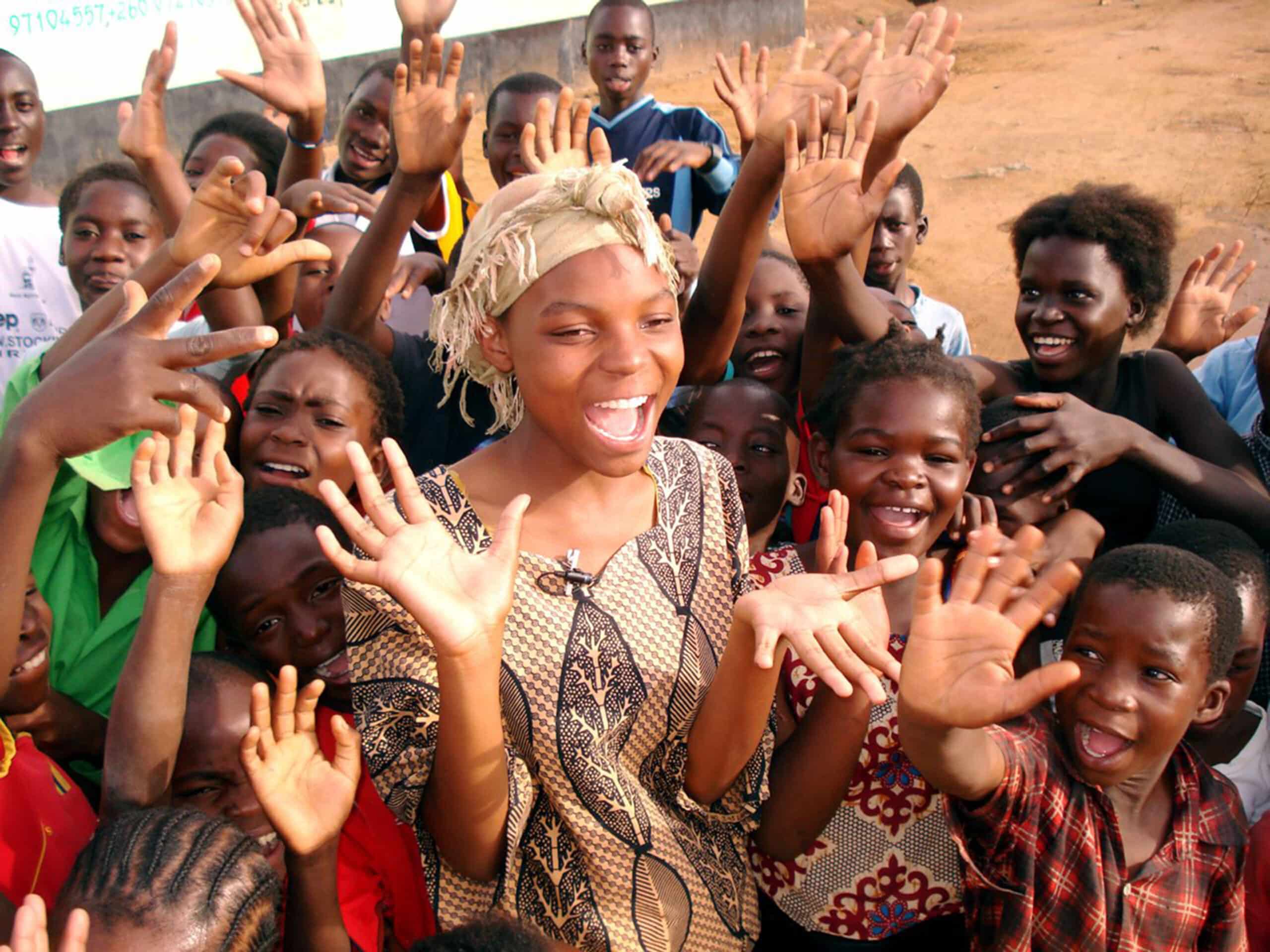
2007, Thandiwe Chama (17), Zambia
Thandiwe grew up in Zambia during the HIV/AIDS epidemic, which caused schools to close as teachers died and left many children without access to education. At eight, she organised a march of 60 children to advocate for their right to attend another school, successfully securing places for all of them. She later continued raising awareness of HIV/AIDS through her book The Chicken with AIDS and educational outreach in her community.
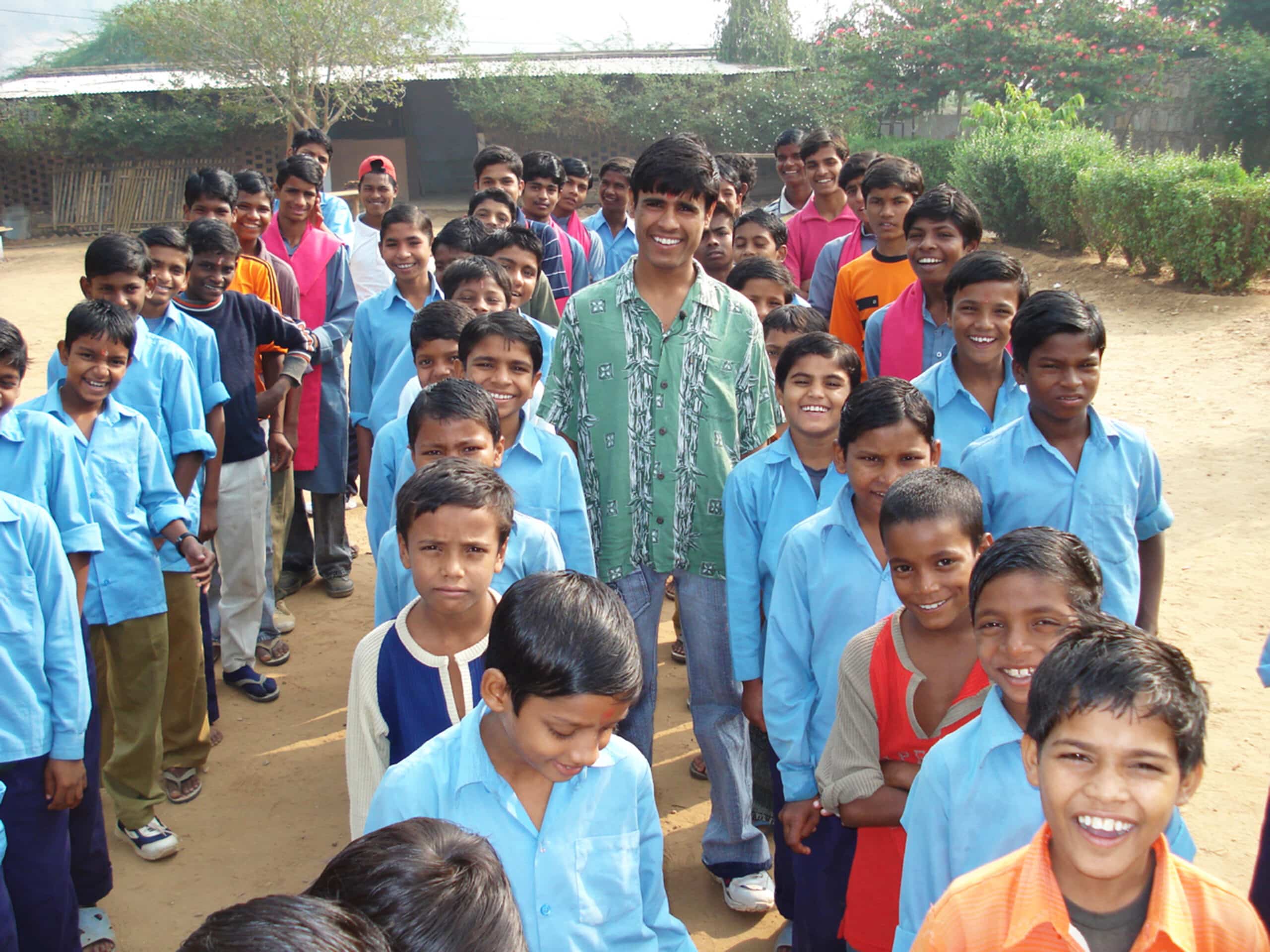
2006, Om Prakash Gurjar (14), India
Om Prakash was forced into farm labour at five because of his family’s debt, preventing him from attending school and exposing him to abuse. After being rescued at eight, he returned to education and began working to help other children access their rights, later leading his school’s Child Parliament and campaigning for free education and birth registration.
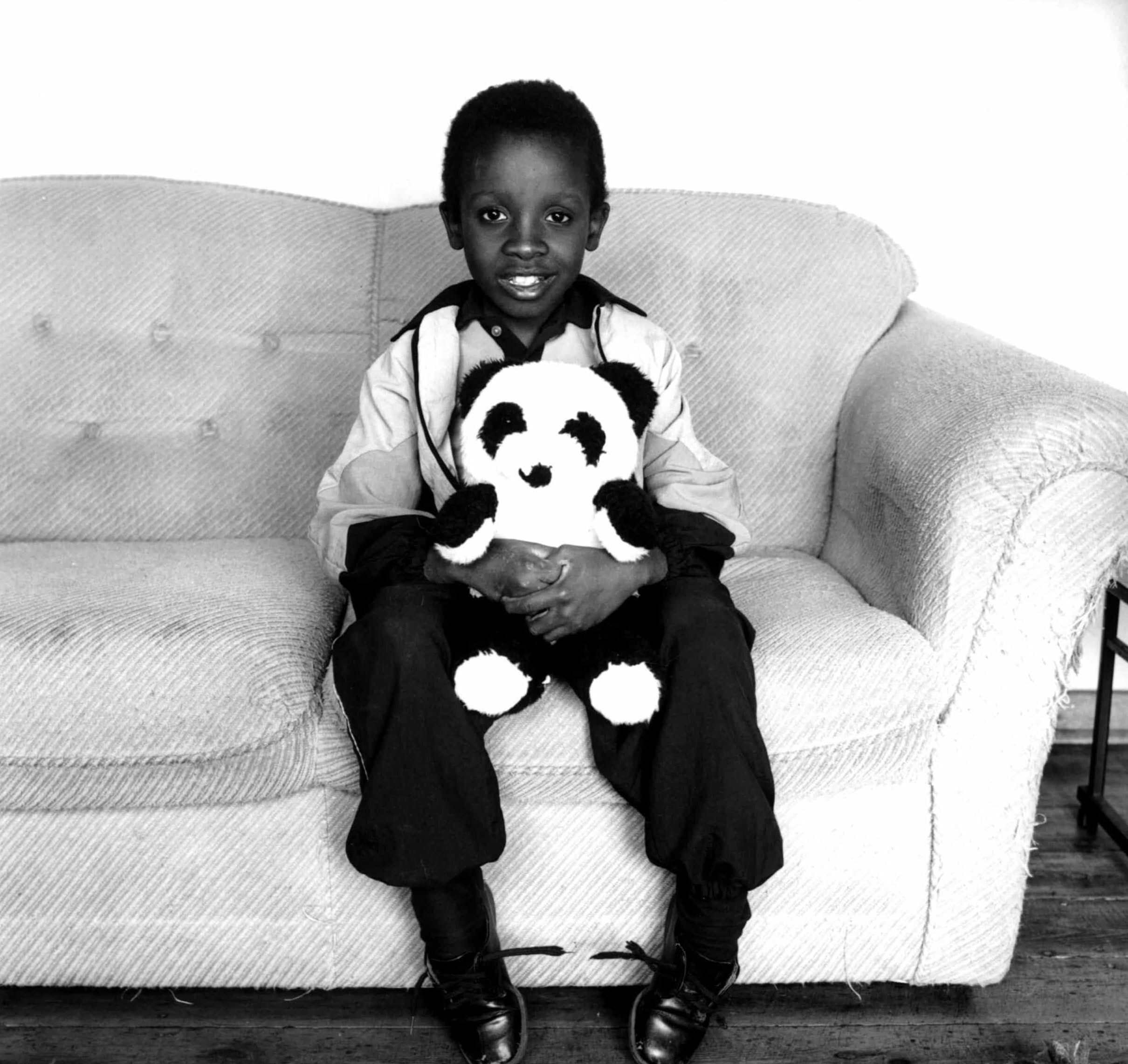
2005, Nkosi Johnson (12), South Africa
Nkosi Johnson was born with HIV in South Africa and faced discrimination when a school initially refused to admit him because of his condition. After successfully challenging the decision, he became a prominent voice against HIV/AIDS stigma, speaking publicly about the disease and advocating for the rights of children living with HIV. Together with his foster mother, he also helped establish Nkosi’s Haven, providing a safe home for mothers with HIV/AIDS and their children.